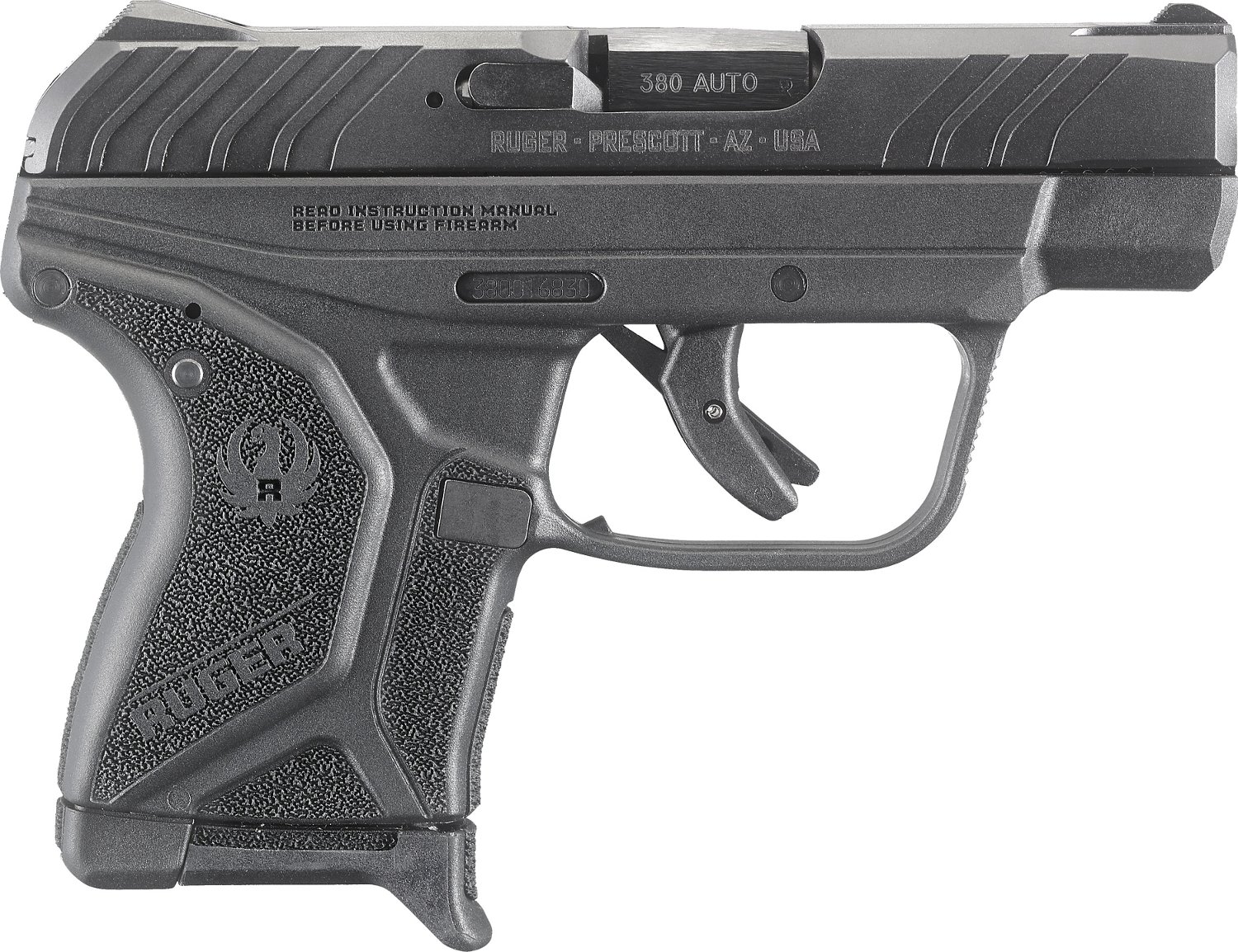
When you walk into an Academy Sports + Outdoors, the rows of neatly displayed firearms might seem like a standard retail experience. However, there is a complex, behind-the-scenes story regarding how this retail giant manages one of the most scrutinized inventories in the country. Unlike boutique gun shops, Academy operates on a high-volume, low-margin model that has quietly reshaped the landscape for the average consumer.
The Logistics of Scale
The "hidden story" isn't about the guns themselves, but the sophisticated supply chain integration that Academy employs. By leveraging massive regional distribution centers, Academy manages to keep prices competitive in a market often plagued by volatility. While specialized dealers focus on niche customization, Academy focuses on accessibility. They have effectively democratized the entry-level firearm market, making the process of purchasing a firearm as streamlined as buying a pair of running shoes.
- •Gypsy Rose Crime Scene Google Drive Explained: What They Don’t Want You To Know
- •Shocking Truth About Minutecast Chicago Just Dropped
- •How Conspiracy Theory Iceberg Wendigoon Became The Internet’s Hottest Topic
- •How Arrests.Org St Lucie County Became The Internet’s Hottest Topic
- •How Kitsap Sun Obits Became The Internet’s Hottest Topic
Strict Compliance as a Competitive Edge
What many shoppers don't realize is that Academy’s internal compliance protocols are among the most stringent in the big-box sector. Because they operate at such an immense scale, they have invested heavily in automated background check systems and point-of-sale integration that exceeds federal requirements. This isn't just for safety; it is a business necessity to mitigate risk across hundreds of locations. For the consumer, this means that while you might sacrifice the personalized advice of a local gunsmith, you gain a level of transactional consistency and legal transparency that is rarely found elsewhere.
Ultimately, Academy Sports has mastered the art of "invisible compliance." They have turned the act of purchasing a firearm into a predictable, standardized retail process, effectively shifting the industry away from the traditional, localized "gun counter" culture toward a modern, corporate-managed model that prioritizes volume and regulatory precision.
To explore further academic studies and guidelines, refer to search results on Official Academic & Government Portals.