Understanding the Basics of Mews Score
The Modified Early Warning Score, commonly referred to as the MEWS score, is a vital tool used in healthcare settings to quickly assess the condition of patients. It's a simple, yet powerful system that helps nurses and doctors identify individuals who may be at risk of clinical deterioration. By understanding the MEWS score meaning, healthcare professionals can provide timely interventions, improving patient outcomes and saving lives.
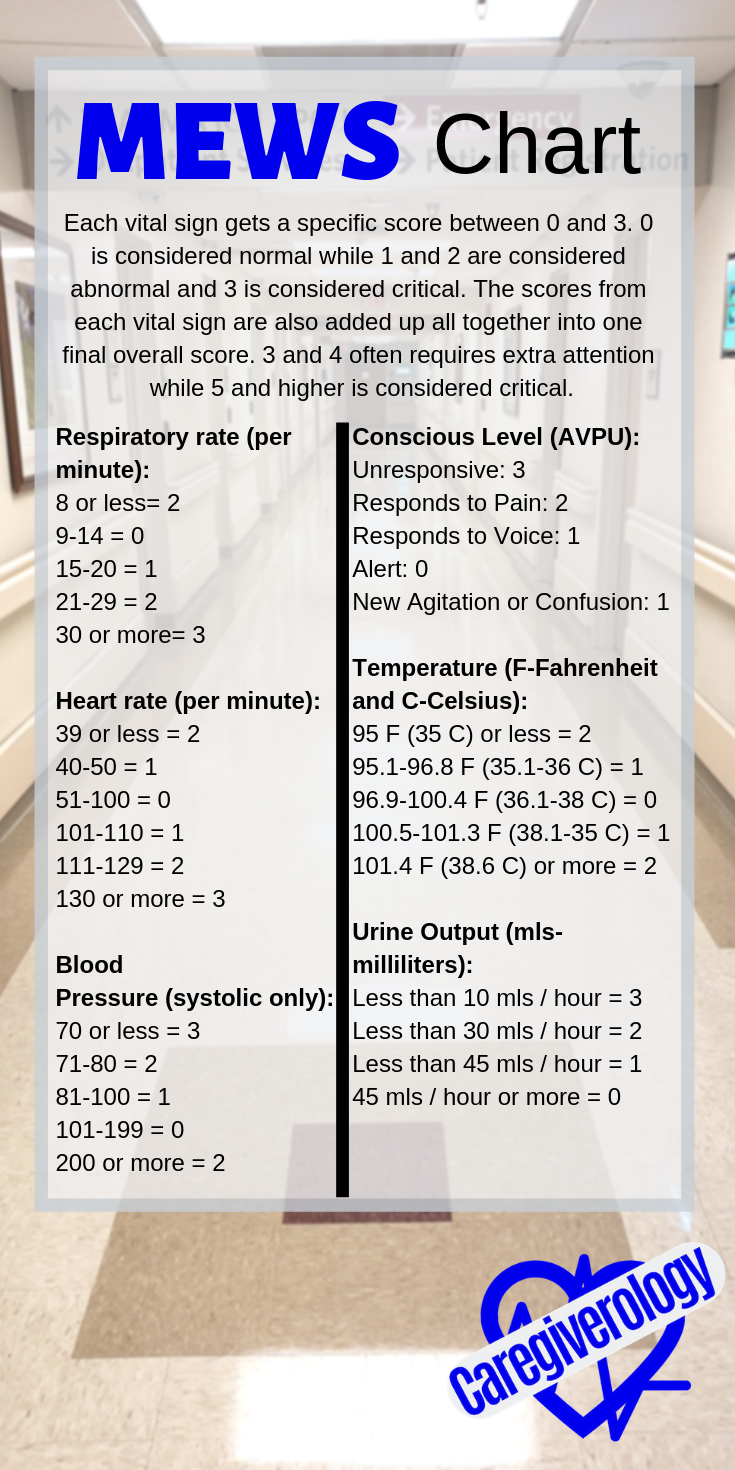
The MEWS score takes into account several key physiological parameters, including systolic blood pressure, pulse rate, respiratory rate, temperature, and the patient's level of consciousness. Each parameter is assigned a score, which is then added up to give a total MEWS score. This score can range from 0 to 14, with higher scores indicating a greater risk of clinical deterioration.
How to Calculate the Mews Score
Calculating the MEWS score is a straightforward process that involves measuring each of the physiological parameters and assigning a score based on the measurement. The scores are then added up to give a total MEWS score. Here's a step-by-step guide to calculating the MEWS score:
- Measure the patient's systolic blood pressure and assign a score based on the measurement
- Measure the patient's pulse rate and assign a score based on the measurement
- Measure the patient's respiratory rate and assign a score based on the measurement
- Measure the patient's temperature and assign a score based on the measurement
- Assess the patient's level of consciousness and assign a score based on the assessment
- Add up the scores to give a total MEWS score
It's essential to note that the MEWS score should be calculated regularly, ideally every hour, to ensure that any changes in the patient's condition are quickly identified and addressed.
Interpreting the Mews Score
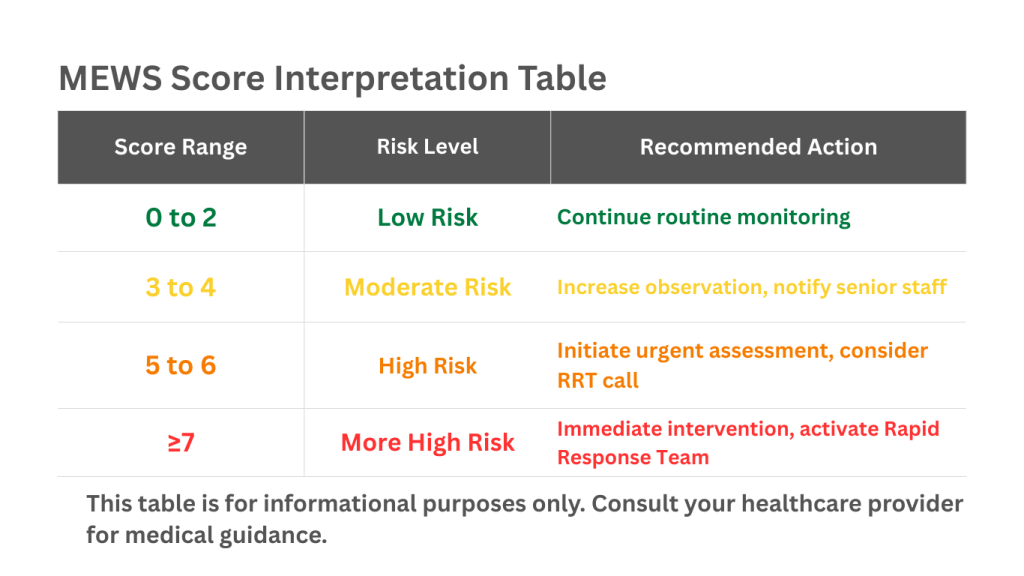
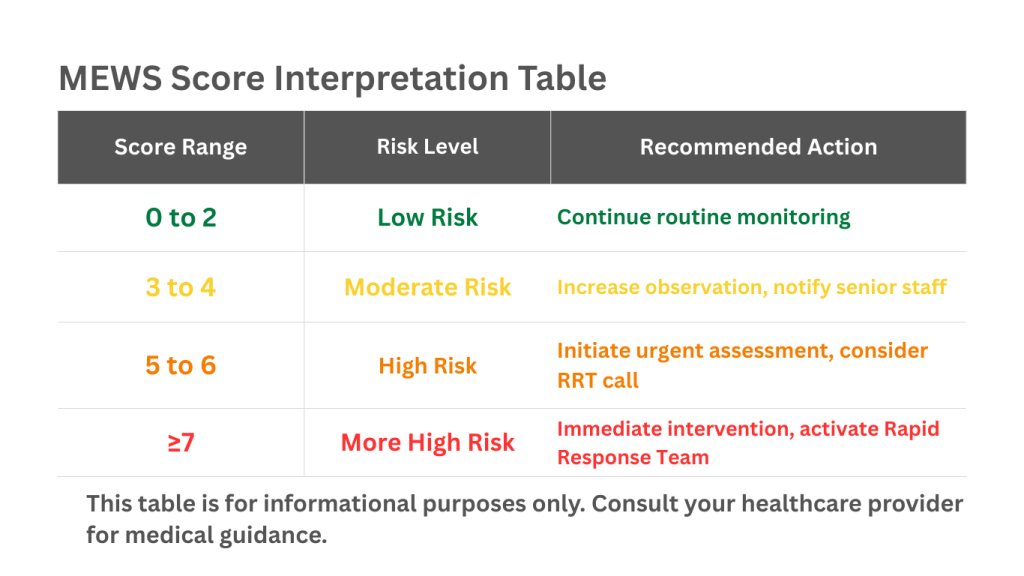
Interpreting the MEWS score is crucial in identifying patients who are at risk of clinical deterioration. The score can be interpreted as follows:
- •Uncovering The Digital Exodus: Why Everyone Is Flocking To Free Online Bible Studies From Genesis To Revelation
- •Don't Fall Behind: The Ultimate Guide To Avoiding Common Mistakes When Looking For UCR Fall 2025 Start Date
- •Uncovering The Dark Past: Everything You Need To Know About The History Of The Guillotine Before It's Too Late
- •Unlocking The Mysteries Of Totem Pole Symbols: Insider Secrets For Deeper Connection
- •10 Things You Didn't Know About Tens Low Back Placement (Number 7 Will Surprise You!)
- A score of 0-2 indicates a low risk of clinical deterioration
- A score of 3-4 indicates a moderate risk of clinical deterioration
- A score of 5 or more indicates a high risk of clinical deterioration
Patient's with a high MEWS score require close monitoring and may need urgent medical attention. On the other hand, patients with a low MEWS score can be safely monitored at regular intervals.
Tips for Using the Mews Score Effectively
To get the most out of the MEWS score, healthcare professionals should follow these tips:
- Calculate the MEWS score regularly to ensure that any changes in the patient's condition are quickly identified
- Use the MEWS score in conjunction with other assessment tools to get a comprehensive picture of the patient's condition
- Communicate the MEWS score clearly and effectively to other members of the healthcare team
- Use the MEWS score to prioritize patient care, with patients who have a high score receiving urgent attention
- Continuously monitor and evaluate the effectiveness of the MEWS score in identifying patients who are at risk of clinical deterioration
By following these tips, healthcare professionals can use the MEWS score to provide high-quality patient care and improve outcomes.
Conclusion
In conclusion, the MEWS score is a valuable tool that can help healthcare professionals identify patients who are at risk of clinical deterioration. By understanding the MEWS score meaning and using it effectively, healthcare professionals can provide timely interventions, improving patient outcomes and saving lives. Whether you're a nurse, doctor, or other healthcare professional, the MEWS score is an essential tool that should be part of your patient assessment arsenal.
For more details and authoritative references, refer to the official documentation on Wikipedia.